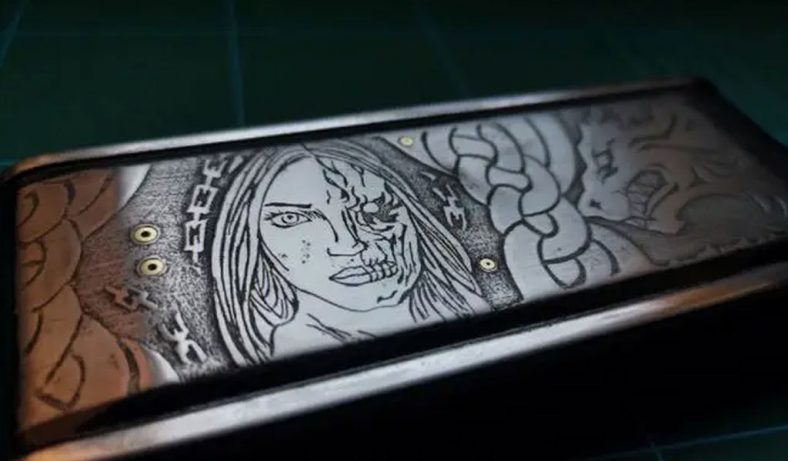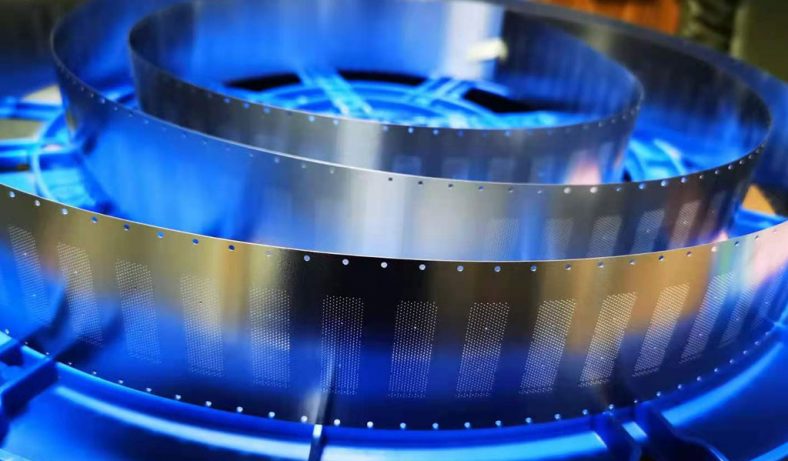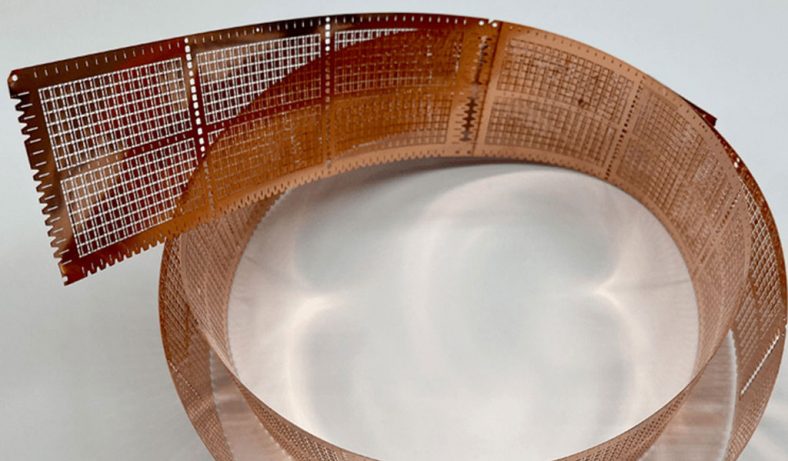
Metal engraving, particularly through intaglio printmaking processes, has long fascinated artists and craftsmen for its ability to produce intricate designs with remarkable depth and tonal variation. Among the various approaches, multi-level etching stands out as a sophisticated method that allows for the creation of hierarchical structures—layers of varying depths that convey three-dimensionality, subtle gradations of tone, and complex visual narratives on a flat metal plate. This technique, often referred to as hierarchical or multi-stage etching, involves sequential biting of the plate to achieve different levels of incision, enabling lighter areas to remain shallow while darker regions are deeply etched.
The concept of hierarchy in etching traces its roots to early innovations in the 17th century, when artists like Jacques Callot refined the use of multiple “stoppings-out” to control acid exposure. By protecting certain areas with additional ground while allowing others to bite deeper, etchers could build layered tonal effects that mimicked the richness of painting or drawing. This hierarchical expression not only enhances aesthetic depth but also expands the expressive potential of metal engraving, making it a preferred medium for printmakers seeking to evoke volume, atmosphere, and emotion.
In contemporary practice, multi-level etching encompasses traditional acid-based methods, combined techniques like aquatint for tonal areas, and even modern adaptations such as electrochemical or laser-assisted processes. The result is a plate where ink holds variably in recesses of differing depths, producing prints with velvety blacks, soft midtones, and crisp highlights. This article explores the principles, historical development, technical processes, and comparative aspects of these methods, drawing on established practices in intaglio printmaking.
Historical Development of Multi-Level Etching in Intaglio Printmaking
The evolution of multi-level etching began in the Renaissance, when printmakers sought to rival the tonal sophistication of paintings. Early engravers relied on burin work for lines, but the introduction of acid etching in the 16th century opened new possibilities. Jacques Callot (1592–1635) is credited with advancing multiple stoppings-out, a foundational hierarchical technique. By lightly biting the entire plate and then progressively covering lighter areas, Callot achieved nuanced depths in works like his “Miseries of War” series.
Rembrandt van Rijn further elevated the method in the 17th century, combining etching with drypoint and varying bite times to create dramatic chiaroscuro effects. His plates often feature deep bites in shadows, allowing rich ink retention, while highlights remain minimally etched. This hierarchical approach influenced Goya in the 18th–19th centuries, who paired etching with aquatint for expansive tonal ranges in “Los Caprichos.”
By the 19th century, aquatint became integral to multi-level work, providing granular tones that could be layered through staged etching. Photogravure, invented in the late 19th century, introduced photographic precision to hierarchical depth via gelatin resists of varying thickness, enabling continuous-tone reproduction.
Today, artists continue these traditions, often hybridizing methods for greater control. The hierarchical principle—building depth through sequential exposure—remains central, distinguishing multi-level etching from single-bite processes.
Fundamental Principles of Multi-Level Etching
At its core, multi-level etching relies on controlled differential biting. The plate, typically copper or zinc, is coated with an acid-resistant ground. Lines or areas are exposed, and the plate is immersed in mordant (e.g., ferric chloride or nitric acid). To create hierarchy:
- Initial light bite affects all exposed areas equally.
- Lighter tones are “stopped out” with additional ground or varnish.
- The plate returns to acid for deeper bites in remaining areas.
- This process repeats, yielding multiple depth levels.
Deeper recesses hold more ink, printing darker; shallower ones print lighter. This creates a visual hierarchy where tonal values guide the viewer’s eye, simulating relief or atmospheric perspective.
Factors influencing depth include acid strength, immersion time, temperature, and agitation. Modern safer mordants like Edinburgh Etch (ferric chloride with citric acid) allow precise control without toxic fumes.
| Factor | Effect on Bite Depth | Typical Range | Notes |
|---|---|---|---|
| Acid Concentration | Higher = faster, deeper bite | 10–50% ferric chloride | Dilute for control |
| Immersion Time | Longer = deeper | 30 seconds to hours | Staged: 1–5 min for lights, longer for darks |
| Temperature | Warmer = faster | 20–30°C | Consistent room temp recommended |
| Agitation | Increases evenness | Feathering or bubbling | Prevents uneven pitting |
Traditional Line Etching with Multi-Stage Biting
Traditional line etching forms the basis for hierarchical work. A hard ground (asphaltum-based) is applied, smoked for visibility, and drawn through with an etching needle. Multi-stage biting introduces levels:
- First bite: All lines lightly etched.
- Stop-out: Light lines protected.
- Subsequent bites: Midtones and shadows deepened.
Artists like Albrecht Dürer combined this with engraving for hybrid hierarchy. The technique excels in linear definition but requires skill to avoid foul biting (unintended acid spread).
Aquatint for Tonal Hierarchy in Multi-Level Etching
Aquatint revolutionizes multi-level etching by enabling broad tonal areas. Rosin dust is dusted onto the plate, melted to form islands, and acid bites around them, creating pitted surfaces for ink retention.
For hierarchy:
- Apply aquatint ground.
- Stop-out progressively: Light tones first, then midtones.
- Multiple bites yield graduated depths.
Spit-bite (painting acid directly) or sugar-lift adds painterly effects. Goya mastered this for dramatic contrasts.
| Aquatint Variation | Grain Size | Tonal Quality | Best For |
|---|---|---|---|
| Rosin Box | Fine to coarse | Even, sparkling | Traditional tones |
| Spray Acrylic | Ultra-fine | Smooth, continuous | Modern, photographic-like |
| Multiple Layers | Varied | Rich, layered | Complex hierarchies |
Combining Techniques: Hybrid Approaches for Enhanced Hierarchy
Many masters layer methods for superior expression. Rembrandt overlaid drypoint burr on etched lines for velvety midtones. Aquatint with line etching provides outlines amid tones.
Mezzotint, rocked for uniform burr and scraped for lights, offers reverse hierarchy (dark to light). When combined with etching, it yields extraordinary depth.
Photogravure uses gelatin thickness for inherent multi-level biting via ferric chloride baths of decreasing strength.
| Technique Combination | Hierarchical Benefit | Example Artists | Depth Potential |
|---|---|---|---|
| Etching + Aquatint | Lines + broad tones | Goya, Picasso | High tonal range |
| Etching + Drypoint | Sharp lines + soft burr | Rembrandt | Velvety midtones |
| Aquatint + Mezzotint | Granular + smooth gradients | Modern experimental | Extreme blacks to whites |
| Photogravure | Continuous tone via variable resist | Stieglitz, Curtis | Photographic realism |
Modern Adaptations: Electrochemical and Laser-Assisted Multi-Level Etching
Contemporary methods extend hierarchy. Electrochemical etching uses current for controlled dissolution, enabling deep multi-stage bites without acid hazards.
Laser masking or direct ablation allows precise multi-depth removal, often combined with chemical finishing.
| Modern vs Traditional | Control Level | Safety | Depth Achievable |
|---|---|---|---|
| Traditional Acid | High (manual) | Moderate (fumes) | Variable, up to plate thickness |
| Electrochemical | Very high (voltage/time) | High | Deep, uniform |
| Laser-Assisted | Precision digital | High | Micron-level layers |
Comparative Analysis of Multi-Level Etching Techniques
To illustrate differences:
| Technique | Primary Mechanism | Tonal Hierarchy Method | Advantages | Limitations |
|---|---|---|---|---|
| Multi-Stage Line Etching | Sequential stopping-out | Progressive bite times | Precise lines, expressive freedom | Labor-intensive, risk of foul bite |
| Aquatint Multi-Level | Rosin islands + stages | Stop-out + varied immersion | Rich tones, painterly | Grain visibility, setup time |
| Photogravure | Gelatin thickness | Bath strength sequence | Continuous tone, detail | Complex preparation |
| Electrochemical Multi-Depth | Current-controlled dissolution | Cycle repetition | Safe, deep etches | Equipment needed |
Case Studies in Hierarchical Expression
Rembrandt’s “The Hundred Guilder Print” exemplifies multi-level mastery, with deep shadows and luminous highlights.
Goya’s aquatint-etched “Disasters of War” uses hierarchy for emotional impact.
Modern artists like those using polymer photogravure achieve similar depths with safer materials.
Safety and Best Practices
Always use ventilation, gloves, and neutralizers. Modern alternatives reduce risks.
Conclusion
Hierarchical multi-level etching transforms metal plates into vehicles for profound visual depth, bridging drawing, painting, and sculpture. From Callot’s innovations to today’s hybrids, the technique continues to evolve, offering endless possibilities for artistic expression in metal engraving.